
Did you know that the average human mind wanders about 47% of your waking hours? This persistent mental drifting frequently leads to heightened stress or physical exhaustion. You might occasionally feel like you are running on a motorized treadmill that never stops.
Finding inner peace helps you reclaim those fleeting moments while remaining grounded during chaos. Achieving mental clarity is significantly simpler than most individuals realize once they establish a routine.
This guide explores mindfulness as a practical tool for attaining daily calm. We also examine how meditation fundamentally changes your neurological structure for the better. These ancient practices offer numerous advantages for your holistic well-being.
Our modern landscape moves at a frantic pace, leaving minimal room for restorative silence. These methods empower you to navigate high-pressure situations with remarkable ease. You will discover simple techniques to lower chronic anxiety.
Together, we can identify ways to improve mental focus alongside genuine happiness. Let us begin this transformative journey toward a significantly quieter mind.
Exploring these concepts will shift your perspective on your daily existence.
Key Takeaways
- Discover fundamentals for staying present every day.
- Learn effective methods to achieve lasting calm.
- Explore how neurological structures change with practice.
- Master simple habits to improve your mental focus.
- Reduce chronic anxiety using proven breathing tools.
- Build emotional resilience for a fast-paced lifestyle.
Understanding Mindfulness and Meditation Fundamentals
As we explore the realms of mindfulness and meditation, it’s crucial to start with a solid understanding of what they entail. These practices have gained widespread recognition for their benefits, but their underlying principles are often misunderstood or oversimplified.
Mindfulness and meditation are closely related yet distinct practices. Understanding their definitions and differences is key to harnessing their full potential.
What Is Mindfulness and Why It Matters
Mindfulness refers to the practice of being fully present and engaged in the current moment, while cultivating a non-judgmental awareness of one’s thoughts, feelings, and bodily sensations. This mindfulness definition encompasses a broad range of practices aimed at increasing awareness and acceptance of the present moment.
The significance of mindfulness lies in its ability to reduce stress, improve emotional regulation, and enhance overall well-being. By being more mindful, individuals can better navigate life’s challenges with clarity and composure.
What Is Meditation and How It Differs
Meditation is a practice where an individual focuses their mind on a particular object, thought, or activity to achieve a mentally clear and emotionally calm state. While mindfulness is about awareness of the present moment, meditation often involves a more concentrated focus.
Meditation can take many forms, including guided meditations, transcendental meditation, and movement meditation. Each type has its unique benefits and methods, but all share the common goal of cultivating a deeper state of consciousness.
The Science Behind These Practices
The science behind mindfulness and meditation has been extensively studied in recent years. Research has shown that regular practice can lead to changes in brain structure and function, particularly in areas related to attention, emotion regulation, and memory.
Studies have also demonstrated that mindfulness and meditation can have a positive impact on both physical and mental health, including reduced blood pressure, decreased symptoms of anxiety and depression, and enhanced immune function.
Understanding the scientific basis of these practices can help demystify their benefits and encourage a more consistent and meaningful practice.
Discover the Mindfulness and Meditation Benefits
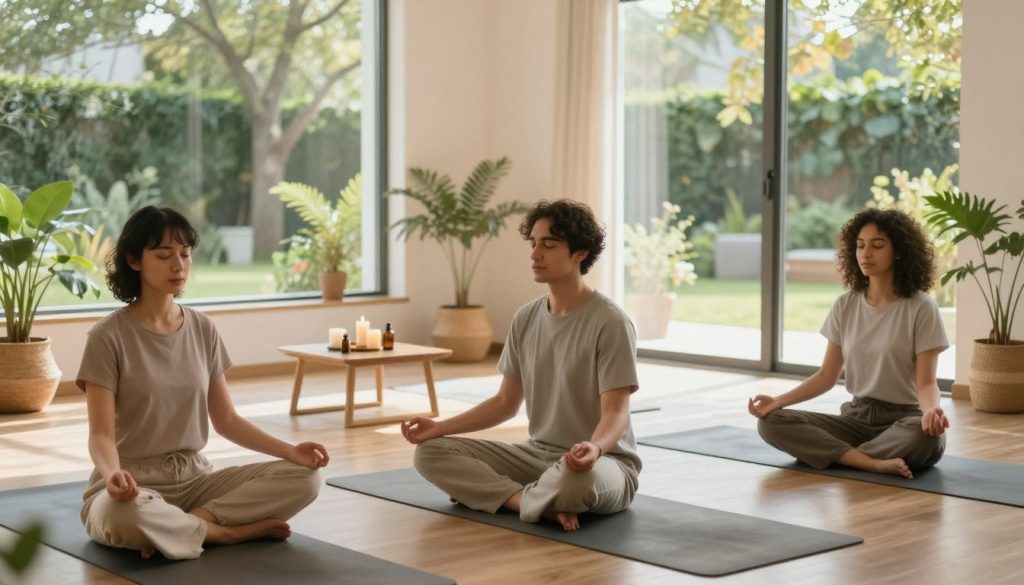
By incorporating mindfulness and meditation into daily routines, individuals can experience profound positive changes in both mental and physical health. These practices have been widely recognized for their numerous benefits, ranging from stress reduction to enhanced emotional intelligence.
Reduce Stress and Anxiety Naturally
Mindfulness and meditation are potent tools for reducing stress and anxiety. By focusing on the present moment, individuals can learn to let go of worries about the past or future, thereby calming the mind and body. Regular practice has been shown to decrease the production of stress hormones like cortisol, leading to a more relaxed and peaceful state of being.
Boost Your Focus and Mental Clarity
Regular mindfulness and meditation practice can significantly improve focus and mental clarity. By training the mind to stay present and aware, individuals can enhance their ability to concentrate and make decisions. This, in turn, can lead to greater productivity and efficiency in both personal and professional life.
Improve Physical Health and Sleep Quality
The benefits of mindfulness and meditation extend to physical health and sleep quality as well. Studies have shown that regular practice can lower blood pressure, reduce chronic pain, and improve sleep patterns. By promoting relaxation and reducing stress, these practices can contribute to overall physical well-being.
Build Emotional Intelligence and Resilience
Mindfulness and meditation also play a crucial role in building emotional intelligence and resilience. By becoming more aware of their thoughts and emotions, individuals can better understand themselves and others, leading to more empathetic and meaningful relationships. Additionally, the resilience developed through these practices can help individuals navigate life’s challenges with greater ease and confidence.
Prepare Yourself and Your Environment
Preparing your space and mind is the first step towards a fruitful meditation practice. A well-prepared environment helps in minimizing distractions and maximizing the benefits of meditation.
Set Up Your Ideal Meditation Space
Creating a dedicated meditation space can significantly enhance your practice. Choose a quiet, comfortable, and clutter-free area in your home where you can sit and meditate without distractions. Consider the lighting and temperature of the space to ensure it’s conducive to relaxation.

Choose the Best Time for Your Schedule
Scheduling meditation at the right time is crucial for consistency. While many people prefer meditating early in the morning, others find it more suitable to meditate during their lunch break or before bed. Experiment with different times to find what works best for your lifestyle and stick to it.
Gather Optional Tools and Resources
While not necessary, certain meditation tools and meditation resources can enhance your practice. These may include guided meditation apps, calming essential oils, or a meditation cushion. Explore different options to find what supports your meditation journey.
Some popular meditation resources include online courses, meditation retreats, and mindfulness journals. Utilizing these resources can provide additional guidance and motivation as you develop your practice.
Master These Beginner-Friendly Meditation Techniques
To help you navigate the world of meditation, we’ve outlined three essential techniques that are perfect for those just starting out. These methods are designed to be simple, effective, and easy to incorporate into your daily routine.
Breath Awareness Meditation
Breath awareness meditation is a fundamental technique that involves focusing on your breath to calm the mind and bring awareness to the present moment. This practice is excellent for beginners because it requires minimal setup and can be done anywhere.
Step 1: Sit Comfortably with Your Spine Straight
Find a quiet spot where you can sit comfortably without distractions. Keep your spine straight to facilitate easy breathing.
Step 2: Close Your Eyes and Breathe Naturally
Close your eyes and allow your body to relax. Breathe naturally, without trying to control your breath.
Step 3: Count Your Breaths from One to Ten
Start counting your breaths from one to ten. When you reach ten, begin again from one. This helps maintain focus.
Step 4: Acknowledge Distractions Without Judgment
If your mind wanders, gently acknowledge the distraction and return to counting your breaths without judgment.
Body Scan Meditation for Deep Relaxation
Body scan meditation is a powerful technique for releasing physical tension and promoting deep relaxation. It involves lying down or sitting comfortably and bringing awareness to different parts of your body.
Step 1: Lie Down in a Quiet Space
Find a quiet, comfortable spot to lie down where you won’t be disturbed.
Step 2: Focus on Your Toes and Work Upward
Start by bringing your attention to your toes, gradually working your way up to the top of your head, noticing any areas of tension.
Step 3: Breathe Into Areas of Tension
As you identify areas of tension, breathe into them, imagining fresh air filling those spaces and easing the tension.
Loving-Kindness Meditation for Compassion
Loving-kindness meditation, also known as Metta meditation, is a practice that cultivates compassion and kindness towards yourself and others.
Step 1: Begin with Self-Compassion Phrases
Start by directing kindness towards yourself, repeating phrases such as “May I be happy, may I be healthy, may I be at peace.”
Step 2: Extend Wishes to Loved Ones
Gradually extend these wishes to loved ones, friends, and family, cultivating a sense of connection and compassion.
Step 3: Include Neutral and Difficult People
Finally, include people you feel neutral towards and even those you may have difficulty with, wishing them well and cultivating a broader sense of kindness.
By practicing these meditation techniques, you can develop a deeper sense of calm, clarity, and compassion in your daily life.
Build Your Sustainable Daily Meditation Habit
To truly benefit from meditation, incorporating it into your daily routine is essential. Consistency is key to experiencing the profound effects of meditation on both mental and physical health.
Start with Just Five Minutes Each Morning
Beginning your day with a short meditation session can set a positive tone for the hours ahead. Even five minutes of focused breathing or mindfulness can be beneficial. It’s about creating a habit, not dedicating a large chunk of your day.
Use Habit Stacking to Stay Consistent
Habit stacking involves building new habits onto existing ones. For example, if you always brush your teeth as soon as you wake up, you can stack your meditation practice right after. This technique helps in making meditation a consistent part of your daily routine.
Track Your Practice with a Simple Journal
Keeping a meditation journal can be a powerful tool for tracking your progress and staying motivated. Note down the date, duration, and any observations about your practice. This reflection can help you identify patterns and growth in your meditation journey.
| Date | Duration (Minutes) | Observations |
|---|---|---|
| 2023-04-01 | 5 | Felt calm and focused throughout the day. |
| 2023-04-02 | 5 | Noticed a decrease in morning anxiety. |
| 2023-04-03 | 10 | Experienced a deeper sense of relaxation. |
Weave Mindfulness Into Everyday Activities
Mindfulness isn’t limited to meditation sessions. You can practice mindfulness during daily activities like eating, walking, or even showering. Paying attention to your senses and the present moment can enhance your overall mindfulness practice.
By incorporating these strategies, you can build a sustainable daily meditation habit that brings lasting benefits to your life.
Overcome Common Obstacles and Stay Motivated
Encountering obstacles in meditation is not a sign of failure but an opportunity for growth. As you continue your meditation practice, you may face challenges such as a restless mind, physical discomfort, or difficulty maintaining your practice during busy periods. Understanding how to navigate these hurdles is crucial for a fruitful and sustainable meditation habit.
What to Do When Your Mind Won’t Settle
A wandering mind is one of the most common challenges meditators face. When you find your mind restless, try acknowledging the thought and gently bringing your focus back to your breath or chosen meditation object. It’s helpful to view these moments as opportunities to practice patience and improve your ability to concentrate.
Practical Tips:
- Start with shorter meditation sessions to build your focus gradually.
- Use guided meditations to help keep your mind on track.
- Practice mindfulness in daily activities to improve your overall ability to stay present.
Handle Physical Discomfort During Sessions
Physical discomfort can be a significant barrier to a successful meditation practice. To mitigate this, ensure you’re sitting comfortably with good posture, and consider using a cushion or chair for support. If discomfort arises during meditation, try to observe it without judgment, and adjust your position as needed.
| Discomfort Type | Potential Solutions |
|---|---|
| Back Pain | Use a supportive cushion or chair, maintain good posture. |
| Knee Pain | Try a different sitting position or use a cushion under your knees. |
| Neck Tension | Relax your shoulders, slightly tuck your chin. |
Maintain Your Practice During Busy Periods
Busy schedules can often lead to meditation practice falling by the wayside. To maintain your practice, integrate it into your daily routine, such as right after waking up or before bed. Even a few minutes of meditation can be beneficial, so don’t be discouraged if you can’t manage your usual session length.
Tip: Use a meditation app or reminder to stay on track during particularly busy times.
By understanding and addressing these common challenges, you can strengthen your meditation practice and enjoy the many benefits it offers. Remember, the key is consistency and patience.
Conclusion
As we’ve explored throughout this article, mindfulness and meditation offer a powerful combination for achieving inner peace and clarity. By understanding the fundamentals of these practices and incorporating them into daily life, individuals can experience a significant reduction in stress and anxiety, improved focus, and enhanced overall well-being.
A mindful approach to life can lead to a more balanced and fulfilling existence. The benefits summary is clear: regular mindfulness and meditation practice can improve physical health, sleep quality, and emotional intelligence. By committing to a daily practice, even just a few minutes a day, individuals can cultivate a deeper sense of calm and resilience.
As you continue on your mindfulness and meditation journey, remember that consistency is key. Start with small, achievable steps, and be patient with yourself as you develop your practice. With time and dedication, the positive impact of mindfulness and meditation can be profound, leading to a more mindful, compassionate, and joyful life.