
Did you know that nearly 40 million adults in the United States grapple with excessive worry every single year? This staggering number shows that you are definitely not alone in feeling overwhelmed by life’s daily pressures. Finding a path toward peace often begins with learning effective anxiety coping skills.
Using specific anxiety relief techniques can help you regain control during tense moments. These methods allow your mind to reset and find balance when things feel chaotic. It is helpful to explore various stress management techniques to see what fits your unique lifestyle.
Small changes in your routine make a massive difference in how you feel each morning. By focusing on your breath or shifting your mindset, you can lower your tension levels significantly. We will explore how these simple habits can transform your mental well-being for the better.
Key Takeaways
- Identify your personal triggers to prevent sudden overwhelm.
- Practice deep breathing to calm your nervous system quickly.
- Incorporate regular physical activity to burn off nervous energy.
- Maintain a consistent sleep schedule to improve emotional resilience.
- Limit caffeine intake to reduce physical jitters and restlessness.
- Reach out to trusted friends or professionals for extra support.
Understanding Anxiety and Why Coping Techniques Matter
Effective anxiety management starts with recognizing its impact on the body and mind. Anxiety is more than just feeling stressed or worried; it’s a complex emotional state that can significantly affect daily life.
What Happens in Your Body During Anxiety
When anxiety strikes, it triggers a cascade of physiological responses designed to prepare the body for “fight or flight.” This natural response is meant to be temporary, but for those experiencing anxiety disorders, it can become a persistent state.
During an anxiety episode, several bodily changes occur:
- The heart rate accelerates, pumping more blood to the muscles.
- Breathing becomes rapid and shallow.
- Muscles tense up, preparing for action.
- The digestive system slows down, as blood is diverted to more critical areas.
These physical symptoms can be distressing and further exacerbate the feeling of anxiety, creating a vicious cycle.
The Power of Building Your Personal Coping Toolkit
Developing anxiety coping skills and coping strategies for anxiety is crucial for managing anxiety effectively. A personal coping toolkit can include various techniques tailored to an individual’s needs and preferences.
One of the key components of this toolkit is emotional regulation skills. These skills enable individuals to manage their emotional responses to stressful situations, reducing the intensity and frequency of anxiety episodes.
Building Emotional Regulation Skills
Emotional regulation involves being aware of your emotions and having strategies to manage them. Techniques can include mindfulness, deep breathing exercises, and physical activity.
| Technique | Description | Benefits |
|---|---|---|
| Mindfulness | Focuses on the present moment | Reduces rumination and worry |
| Deep Breathing | Slows down heart rate and breathing | Calms the nervous system |
| Physical Activity | Releases endorphins | Improves mood and reduces stress |
Breathing and Relaxation Techniques for Immediate Anxiety Relief
Breathing techniques are a powerful tool in managing anxiety, providing a quick and effective way to calm the mind and body. When we’re anxious, our breathing tends to become shallow and rapid. By consciously changing our breathing pattern, we can signal to our brain that it’s time to relax.
Master the 4-7-8 Breathing Method in Minutes
The 4-7-8 breathing method, also known as the “Relaxation Breath,” is a simple yet effective technique for reducing anxiety. To practice this method, follow these steps:
- Close your eyes and take a deep breath in through your nose for a count of 4.
- Hold your breath for a count of 7.
- Slowly exhale through your mouth for a count of 8.
This cycle can be repeated for several rounds until you feel a sense of calm. The key is to focus on the counting and the sensation of the breath moving in and out of the body.
Try Box Breathing for Quick Calm
Box breathing is another technique that can help alleviate anxiety by promoting relaxation and reducing stress. Here’s how to do it:
- Breathe in for 4 seconds.
- Hold your breath for 4 seconds.
- Exhale for 4 seconds.
- Hold your breath again for 4 seconds.
This creates a “box” shape with your breath, hence the name. It’s a simple and effective way to calm your mind and body.
Practice Progressive Muscle Relaxation Step-by-Step
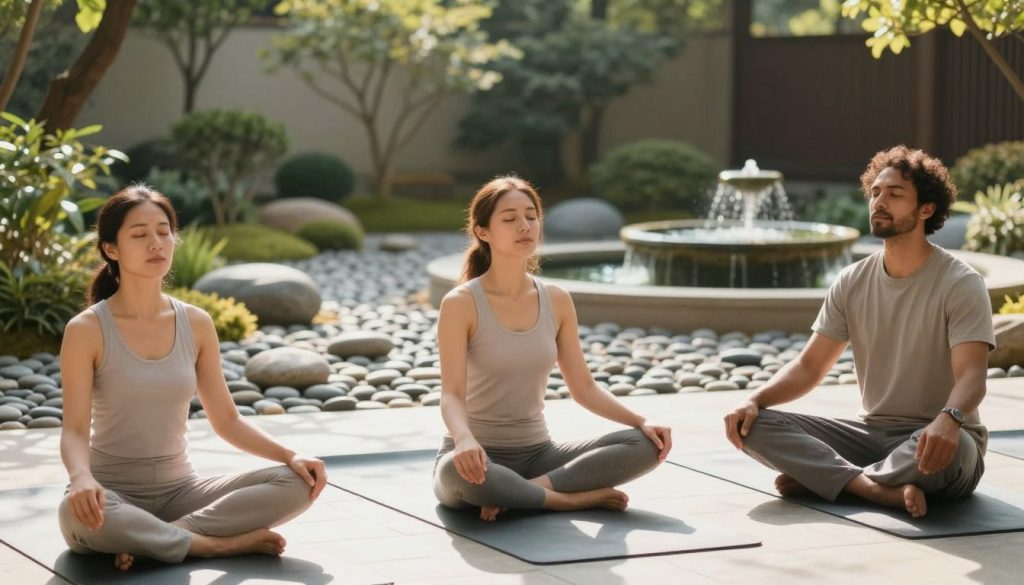
Progressive Muscle Relaxation (PMR) is a technique that involves tensing and relaxing different muscle groups in your body. To practice PMR, start by:
- Tensing your toes for a few seconds.
- Releasing the tension and feeling the relaxation spread through your toes.
- Moving up through the body, tensing and relaxing each muscle group in turn.
This technique helps to release physical tension and promote a sense of calm.
Best Times to Use These Relaxation Techniques
These relaxation techniques can be used at any time when you feel anxious or stressed. However, incorporating them into your daily routine can be particularly beneficial. Consider practicing these techniques:
| Technique | Best Time to Practice | Benefits |
|---|---|---|
| 4-7-8 Breathing | Before bed | Improves sleep quality |
| Box Breathing | During breaks at work | Reduces stress and increases focus |
| Progressive Muscle Relaxation | After exercise | Enhances relaxation and reduces muscle tension |
By incorporating these breathing and relaxation techniques into your daily life, you can better manage anxiety and improve your overall well-being.
Mindfulness Exercises to Ground Yourself in the Present Moment
Mindfulness exercises offer a powerful way to ground yourself in the present moment and reduce anxiety. By focusing on the here and now, you can learn to let go of worries about the past or future. Mindfulness practices have been shown to have a positive impact on both mental and physical well-being, making them an effective tool for managing anxiety.
Use the 5-4-3-2-1 Technique to Stop Anxious Spiraling
The 5-4-3-2-1 technique is a simple yet effective mindfulness exercise that can help you stop anxious spiraling. To practice this technique, start by noticing:
- 5 things you can see around you
- 4 things you can touch or feel
- 3 things you can hear
- 2 things you can smell
- 1 thing you can taste
This exercise helps to ground you in the present moment by focusing your attention on your surroundings.
Practice Body Scan Meditation for Full Relaxation
Body scan meditation is another powerful mindfulness exercise that can help you relax and reduce anxiety. Lie down or sit comfortably, and bring your attention to different parts of your body, starting from your toes and moving up to the top of your head. As you focus on each area, release any tension or discomfort. As Jon Kabat-Zinn, a renowned mindfulness expert, once said,
“The best way to take care of the future is to take care of the present moment.”
Try Mindful Observation to Shift Your Focus
Mindful observation involves focusing your attention on a single object, such as a flower, a leaf, or a candle flame. By observing the object in detail, you can shift your focus away from anxious thoughts and cultivate a sense of calm. Try to notice the object’s color, texture, shape, and any other details that stand out to you.
Build a Simple Daily Mindfulness Routine
To experience the full benefits of mindfulness, it’s essential to practice regularly. Start by setting aside a few minutes each day to practice one of the mindfulness exercises mentioned above. You can also incorporate mindfulness into your daily activities, such as eating or walking. As you make mindfulness a habit, you may find that you’re better able to manage anxiety and feel more grounded in the present moment.
Apply Cognitive Behavioral Therapy for Anxiety at Home
Cognitive Behavioral Therapy (CBT) is a powerful tool for managing anxiety, and the best part is that you can apply its techniques from the comfort of your own home. CBT focuses on identifying and changing negative thought patterns and behaviors that contribute to anxiety. By applying CBT techniques, you can develop anxiety coping skills that help you manage anxiety more effectively.
Identify Your Anxious Thought Patterns
The first step in applying CBT for anxiety is to become aware of your thought patterns. Often, individuals experiencing anxiety have distorted or unhelpful thinking patterns that exacerbate their anxiety. To identify these patterns, take note of your thoughts during anxious moments. Ask yourself:
- What am I thinking?
- Is this thought based on facts or assumptions?
- Is there another, more balanced way to look at this situation?
By becoming more aware of your thoughts, you can begin to recognize patterns that contribute to your anxiety.
Challenge Negative Thoughts with Cognitive Restructuring
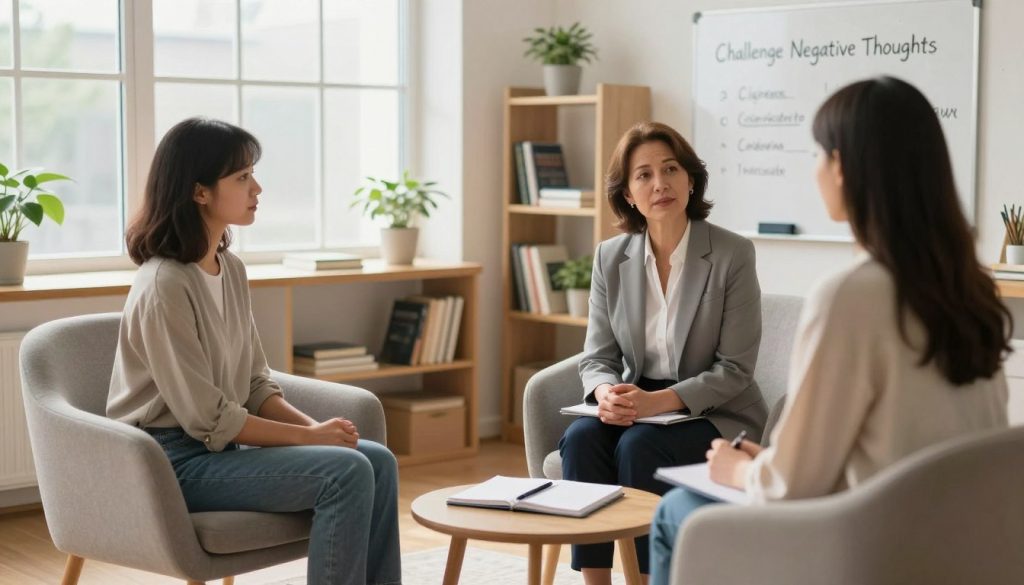
Once you’ve identified your anxious thought patterns, the next step is to challenge and change them through a process called cognitive restructuring. This involves:
- Identifying a negative thought
- Assessing the evidence for and against the thought
- Replacing the negative thought with a more balanced one
For example, if you think “I’m going to fail this exam,” you can challenge this thought by looking at your preparation and past successes. A more balanced thought might be “I’ve prepared well for this exam, and I’ll do my best.”
Keep a Thought Record to Track Your Progress
Keeping a thought record is a helpful way to track your thoughts, feelings, and behaviors over time. This can help you identify patterns and see how you’ve progressed. A typical thought record includes:
| Situation | Thoughts | Feelings | Behavior |
|---|---|---|---|
| Before an exam | “I’m going to fail.” | Anxious, scared | Avoided studying |
| After cognitive restructuring | “I’ve prepared well.” | More confident | Studied effectively |
Face Your Fears Using Gradual Exposure
Gradual exposure involves gradually confronting the situations or objects that trigger your anxiety. This helps you become comfortable with the feared situation and reduces avoidance behaviors. Start with small steps, and gradually increase the difficulty level.
For instance, if you’re afraid of public speaking, you could start by speaking in front of a mirror, then to a small group of friends, and eventually to a larger audience.
By applying these CBT techniques at home, you can develop the emotional regulation skills needed to manage anxiety effectively. Remember, consistency and patience are key. With time and practice, you can learn to manage your anxiety and improve your overall well-being.
Incorporate Physical Activities and Lifestyle Changes for Stress Management
Making simple yet impactful changes to your lifestyle and incorporating physical activities can significantly reduce stress and anxiety. By adopting a holistic approach to health, you can develop effective coping strategies for anxiety and improve your overall well-being.
Exercise for Anxiety Relief
Physical activity is a powerful anxiety relief technique. Exercise has been shown to reduce stress hormones, such as cortisol, and release endorphins, which are natural mood lifters. When choosing an exercise, consider what you enjoy and what fits your lifestyle.
- Aerobic exercises like walking, cycling, or swimming can be particularly effective.
- Yoga and Pilates combine physical movement with mindfulness techniques.
- Strength training can also be beneficial, improving mood and reducing anxiety.
The key is to find an activity that you enjoy and can stick to consistently.
Improving Sleep Hygiene
Good sleep hygiene is crucial for stress management techniques. Poor sleep can exacerbate anxiety, creating a vicious cycle. To improve your sleep:
- Establish a consistent sleep schedule.
- Create a relaxing bedtime routine.
- Avoid screens and stimulating activities before bedtime.
By improving your sleep hygiene, you can enhance your emotional balance and resilience to stress.
Dietary Adjustments for Mental Well-being
Your diet plays a significant role in your mental health. Coping strategies for anxiety include making dietary adjustments to support mental well-being. Focus on consuming a balanced diet rich in:
- Whole grains
- Fruits and vegetables
- Lean proteins
- Healthy fats
Avoid or limit processed foods, sugar, and excessive salt, which can negatively impact your mood and energy levels.
Reducing Caffeine and Alcohol
Both caffeine and alcohol can have significant effects on anxiety levels. While caffeine can increase alertness, too much of it can exacerbate anxiety symptoms. Similarly, alcohol might provide temporary relief but can lead to increased anxiety in the long run. Being mindful of your consumption of these substances is a crucial stress management technique.
Essential Anxiety Coping Skills for Long-Term Success
Long-term anxiety management is not just about temporary fixes; it’s about cultivating lasting coping strategies. Developing a robust set of anxiety coping skills can significantly improve your ability to handle stressful situations and reduce overall anxiety levels.
Consistency and patience are key when building these skills. It’s a process that involves understanding your anxiety, identifying effective coping mechanisms, and practicing them regularly.
Create Your Personalized Anxiety Action Plan
Creating a personalized anxiety action plan involves identifying your triggers, understanding your anxiety patterns, and developing strategies to cope with them. Start by keeping a journal or log to track when anxiety occurs and what might have triggered it.
As noted by
“The greatest glory in living lies not in never falling, but in rising every time we fall.”
, resilience is crucial in managing anxiety. Your action plan should include a list of coping techniques that work for you, such as deep breathing, mindfulness, or physical exercise.
Build a Strong Support Network
Having a strong support network is vital for long-term anxiety management. Surround yourself with people who understand and support you. This can include friends, family, or support groups.
Don’t be afraid to reach out when you need help. Connecting with others who are going through similar experiences can provide comfort and valuable insights.
Set Healthy Boundaries and Manage Your Time
Setting healthy boundaries is essential for managing anxiety. Learn to say “no” to commitments that overwhelm you and prioritize self-care.
- Identify your limits and communicate them clearly.
- Prioritize tasks and break them down into manageable chunks.
- Use time-management tools to stay organized.
Develop Self-Compassion and Emotional Regulation Skills
Practicing self-compassion involves treating yourself with kindness and understanding, especially when experiencing anxiety. Recognize that it’s okay to feel anxious and that you’re doing the best you can.
Emotional regulation skills, such as mindfulness and cognitive restructuring, can help you manage anxiety by changing your response to anxious thoughts and feelings.
Recognize When to Seek Professional Support
While self-help strategies are valuable, there are times when professional support is necessary. If your anxiety is severe, interferes with your daily life, or persists despite your best efforts to manage it, consider seeking help from a mental health professional.
Seeking help is a sign of strength, not weakness. Professionals can provide you with personalized guidance, therapy, and, if necessary, medication to help manage your anxiety.
Conclusion
Mastering anxiety coping skills is a journey that requires patience, practice, and persistence. By incorporating stress management techniques and mindfulness exercises into your daily routine, you can develop the tools needed to navigate life’s challenges with greater ease and confidence.
The techniques discussed, from breathing and relaxation methods to cognitive behavioral therapy and physical activities, offer a comprehensive approach to managing anxiety. By applying these strategies, you can reduce feelings of overwhelm and improve your overall well-being.
As you continue on this path, remember that building a strong support network and practicing self-compassion are crucial elements in your long-term success. By staying committed to your personal growth and being open to seeking professional support when needed, you can empower yourself to live a more balanced and fulfilling life.