
Did you know that nearly 77% of Americans regularly experience physical symptoms caused by tension and pressure? This staggering reality shows how much modern life weighs on our bodies and minds every single day. Finding effective wellness strategies is no longer just a luxury but a necessity for living a truly healthy life.
Learning how to balance your daily demands can lead to a more vibrant and peaceful existence. We will explore various stress reduction methods that help you regain control over your hectic and overwhelming schedule. These approachable tools are specifically designed to fit into any lifestyle, regardless of how busy or tired you might be right now.
Improving your mental state starts with small, consistent steps. This guide covers vital stress management techniques that foster long-term health and happiness. By the end, you will feel fully empowered to handle daily challenges with grace and newfound strength while maintaining your inner joy.
Key Takeaways
- Understand the high physical impact of daily pressure on the American population.
- Discover practical methods to enhance your long-term mental and physical health.
- Implement simple habits to lower tension and regain control of your schedule.
- Learn how to integrate approachable wellness habits into a busy lifestyle.
- Develop a personalized plan for consistent emotional balance and happiness.
Understanding Stress and Why It Affects Your Well-Being
The journey to managing stress effectively begins with understanding its profound impact on our well-being. Stress is not just a feeling; it’s a physiological response that can have significant effects on both body and mind.
Stress can be acute or chronic. While acute stress is short-term and often related to specific events or situations, chronic stress persists over time and can have more severe health implications.
The Physical and Mental Effects of Chronic Stress
Chronic stress can lead to a variety of health issues, affecting both physical and mental well-being. Physically, it can result in headaches, digestive problems, and a weakened immune system. Mentally, it can cause anxiety, depression, and mood swings.
| Physical Effects | Mental Effects |
|---|---|
| Headaches | Anxiety |
| Digestive Problems | Depression |
| Weakened Immune System | Mood Swings |
Chronic stress can have a significant impact on both physical and mental health, increasing the risk of developing conditions like hypertension, diabetes, and depression.
Identifying Your Personal Stress Triggers and Patterns
Understanding what triggers your stress is a critical step in managing it. Common stress triggers include work-related pressures, financial concerns, and personal relationships. Keeping a stress journal can help identify patterns and triggers.
By recognizing your stress triggers, you can develop strategies to mitigate their impact. This might involve changing your response to stressful situations or avoiding triggers when possible.
Physical Stress Management Techniques for Immediate Relief
Physical stress management techniques offer a powerful way to calm the body and mind in moments of high tension. By incorporating these methods into your daily life, you can better manage stress and improve your overall well-being.
Master Deep Breathing Exercises in Minutes
Deep breathing exercises are a simple yet effective way to reduce stress and anxiety. They work by slowing down your heart rate and promoting relaxation.
How to Practice the 4-7-8 Breathing Technique
The 4-7-8 breathing technique, also known as the “Relaxation Breath,” involves breathing in through your nose for a count of 4, holding your breath for a count of 7, and exhaling through your mouth for a count of 8. This technique can help calm your nervous system.
To practice, sit comfortably with your back straight, place the tip of your tongue behind your upper front teeth, and breathe in through your nose. Hold your breath, and then exhale through your mouth, making a whooshing sound. Repeat for four cycles.
Box Breathing: A Four-Step Method for Instant Calm
Box breathing is another effective technique that involves breathing in for a count of 4, holding for a count of 4, exhaling for a count of 4, and holding again for a count of 4. This creates a “box” shape with your breath, promoting balance and calmness.
To practice box breathing, start by sitting or standing with your back straight. Close your eyes and breathe in for a count of 4. Hold your breath for a count of 4, then exhale for a count of 4. Finally, hold your breath again for a count of 4 before repeating the cycle.
| Breathing Technique | Description | Benefits |
|---|---|---|
| 4-7-8 Breathing | Breathe in for 4, hold for 7, exhale for 8 | Promotes relaxation, slows heart rate |
| Box Breathing | Breathe in for 4, hold for 4, exhale for 4, hold for 4 | Enhances focus, reduces anxiety |
Release Tension with Progressive Muscle Relaxation
Progressive muscle relaxation involves tensing and relaxing different muscle groups in your body. This technique helps release physical tension and promote relaxation.
Start by tensing your toes for a few seconds, then release. Move up through your body, tensing and relaxing each muscle group in turn.
“Progressive muscle relaxation can help reduce muscle tension and promote a sense of calm.”
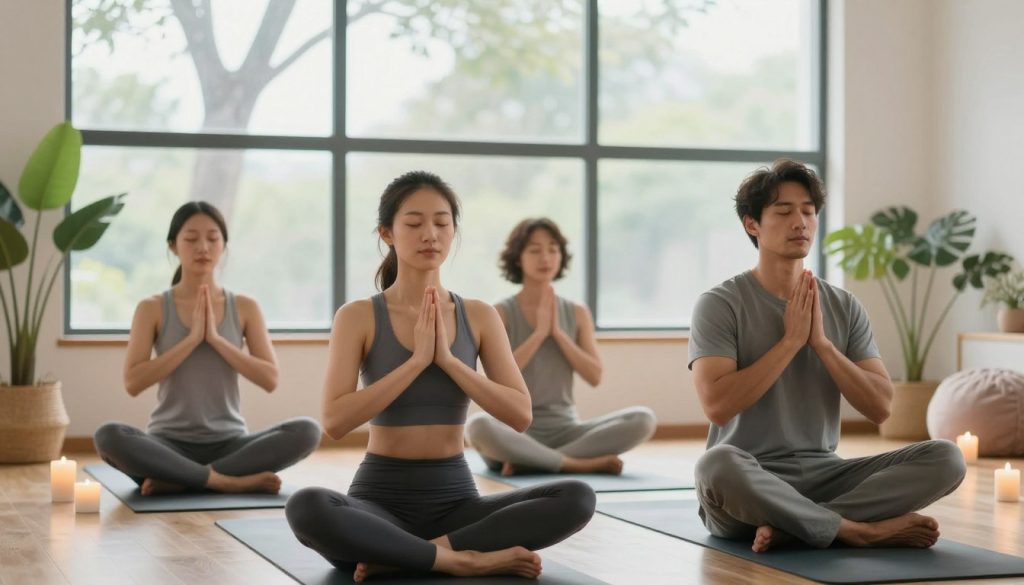
Incorporate Movement and Exercise Into Your Daily Routine
Regular physical activity is a natural stress-reliever. It can help reduce anxiety and improve your mood.
Find an activity you enjoy, whether it’s walking, running, or yoga, and aim to do it for at least 30 minutes a day.
Mental Strategies to Rewire Your Stress Response
Transforming your response to stress requires a combination of mental and emotional resilience. By incorporating specific mental strategies into your daily routine, you can effectively manage stress and improve your overall well-being. These strategies focus on rewiring your brain’s response to stressful situations, helping you to remain calm and composed under pressure.
Start a Mindfulness Meditation Practice
Mindfulness meditation is a powerful tool for managing stress. It involves focusing your attention on the present moment, without judgment or attachment. Regular mindfulness practice can help reduce stress, improve emotional regulation, and enhance cognitive function.
Five-Minute Meditation for Beginners
For those new to meditation, starting with short sessions can be beneficial. A five-minute meditation practice involves sitting comfortably, closing your eyes, and focusing on your breath. When your mind wanders, gently bring your attention back to your breathing. This simple practice can help calm your mind and reduce stress.
Body Scan Meditation to Release Physical Tension
Body scan meditation is another effective technique for releasing physical tension. Lie down or sit comfortably, and bring your attention to different parts of your body, starting from your toes and moving up to your head. As you focus on each area, release any tension or discomfort. This practice helps in relaxing the body and calming the mind.

Use Cognitive Reframing to Change Stressful Thoughts
Cognitive reframing is a mental strategy that involves changing the way you perceive stressful situations. By challenging negative thoughts and replacing them with more positive or realistic ones, you can reduce stress and improve your mental well-being. This technique helps in developing a more optimistic outlook and coping better with challenging situations.
Practice Expressive Journaling for Emotional Processing
Expressive journaling is a therapeutic practice that involves writing down your thoughts and emotions. This helps in processing and releasing pent-up feelings, reducing stress, and gaining clarity on your experiences. By reflecting on your journal entries, you can identify patterns and gain insights into your emotional responses, helping you to manage stress more effectively.
Lifestyle Modifications for Lasting Stress Reduction
Achieving lasting stress reduction requires a multifaceted approach that incorporates various lifestyle modifications. By making conscious changes to your daily habits and routines, you can significantly reduce your stress levels and improve your overall well-being.
Optimize Your Sleep Hygiene for Better Stress Recovery
Getting adequate sleep is crucial for managing stress. Poor sleep hygiene can exacerbate stress, while good sleep habits can help regulate your stress response. To optimize your sleep hygiene, establish a consistent sleep schedule, create a relaxing bedtime routine, and avoid screens before bedtime.
Tips for better sleep hygiene:
- Stick to a consistent sleep schedule, even on weekends
- Create a sleep-conducive environment, such as keeping the room cool and dark
- Avoid caffeine and heavy meals close to bedtime
Choose Foods That Support Your Nervous System
A well-balanced diet plays a significant role in stress management. Certain foods can help support your nervous system, while others can exacerbate stress. Focus on consuming whole, nutrient-dense foods, such as fruits, vegetables, whole grains, and lean proteins.
Nutrient-rich foods for stress reduction:
- Fatty fish, rich in omega-3 fatty acids
- Leafy greens, high in magnesium and antioxidants
- Nuts and seeds, rich in healthy fats and magnesium
Implement Time Management Strategies That Reduce Overwhelm
Poor time management can lead to increased stress levels. By implementing effective time management strategies, you can reduce feelings of overwhelm and improve your overall productivity.
Set Boundaries by Learning to Say No
Learning to say “no” is an essential skill for managing stress. By setting healthy boundaries, you can avoid overcommitting and reduce your stress levels. Practice assertive communication by politely declining non-essential requests.
Delegate Tasks to Lighten Your Load
Delegating tasks is another effective way to reduce stress. Identify tasks that can be delegated to others, such as colleagues, family members, or friends. By sharing your responsibilities, you can free up time and mental energy to focus on more important tasks.
Additional Stress Management Techniques for Daily Practice
Beyond the basics, there are several additional strategies you can employ to manage stress effectively on a daily basis. These techniques can be easily integrated into your daily routine to enhance your overall well-being.
Design a Morning Routine That Reduces Daily Stress
Starting your day on a positive note can significantly impact your stress levels. A well-designed morning routine can set the tone for the rest of the day. Consider beginning with gentle stretches, followed by a mindfulness meditation session, and then a healthy breakfast. This combination can help you feel more centered and prepared to tackle daily challenges.
For example, you could start with a 10-minute morning meditation, followed by a 10-minute journaling session to clarify your thoughts and priorities. Incorporating a short walk or some light exercise can also be beneficial.
Practice Visualization and Guided Imagery
Visualization and guided imagery are powerful tools for managing stress. These techniques involve using your imagination to create a mental image or scenario that is calming and relaxing. By focusing on a peaceful environment or a successful outcome, you can reduce anxiety and improve your mood.
To practice visualization, find a quiet and comfortable space, close your eyes, and take slow, deep breaths. Imagine yourself in a serene environment, such as a beach or a forest, and engage all your senses in the experience. You can use guided imagery recordings to help you get started.
Strengthen Your Social Support Network
Having a strong social support network is crucial for managing stress. Surrounding yourself with positive, supportive people can provide emotional comfort and practical help when you need it. Make an effort to nurture your relationships with family and friends, and don’t hesitate to reach out when you’re feeling overwhelmed.
Consider joining a social group or club that aligns with your interests to expand your social circle. Volunteering is another excellent way to meet like-minded people while doing something meaningful.
Make Time for Hobbies and Creative Expression
Engaging in hobbies and creative activities is an excellent way to reduce stress and improve your mood. Whether it’s painting, playing a musical instrument, or gardening, making time for activities you enjoy can provide a much-needed break from the pressures of daily life.
Schedule time for your hobbies and creative pursuits, even if it’s just a few minutes each day. This can help you recharge and maintain a healthy work-life balance.
Creating Your Personalized Stress Management Action Plan
Now that we’ve explored various stress management techniques, it’s time to create a personalized plan that suits your lifestyle. This involves evaluating the techniques that resonate with you, building a sustainable daily routine, and monitoring your progress to make necessary adjustments.
Evaluate Which Techniques Resonate With Your Lifestyle
Begin by reflecting on the stress management techniques discussed in the previous sections. Consider your daily routine, preferences, and lifestyle to determine which techniques are most feasible and appealing to you. For instance, if you’re not fond of meditation, you might find that physical exercise or journaling works better for stress relief.
Technique Evaluation Checklist:
- Does the technique fit into my daily schedule?
- Do I enjoy the activity or practice?
- Can I realistically commit to this technique long-term?
Build a Sustainable Daily Stress Management Routine
Once you’ve identified the techniques that resonate with you, it’s time to incorporate them into your daily routine. Start by selecting one or two techniques to begin with, and gradually add more as you become more comfortable with your new practices.
A well-rounded daily routine might include a mix of physical activity, mindfulness practices, and time management strategies. Here’s an example of what a daily stress management routine could look like:
| Time | Activity | Stress Management Technique |
|---|---|---|
| 6:00 AM | Morning Exercise | Physical Activity (Yoga or Jogging) |
| 7:00 AM | Meditation | Mindfulness Meditation |
| 12:00 PM | Lunch Break | Deep Breathing Exercises |
| 8:00 PM | Evening Routine | Journaling or Reading |
Monitor Your Progress and Make Adjustments
Monitoring your progress is crucial to understanding what works and what doesn’t in your stress management plan. Keep a journal or use a stress tracking app to log your stress levels and the effectiveness of your chosen techniques.
Regularly reviewing your progress allows you to make informed adjustments to your stress management plan, ensuring it remains effective and relevant to your needs.
By following these steps and maintaining a commitment to your stress management plan, you can achieve a more balanced and less stressful life.
Conclusion
Achieving effective stress management is within your reach. By understanding the impact of stress on your well-being and incorporating relaxation techniques into your daily routine, you can experience significant stress relief.
Techniques such as deep breathing exercises, progressive muscle relaxation, and mindfulness meditation can help calm your mind and body. Making lifestyle modifications like optimizing sleep hygiene, choosing stress-reducing foods, and practicing time management can also contribute to overall well-being.
Creating a personalized stress management plan allows you to tailor these techniques to your lifestyle, ensuring a more balanced and healthy life. By committing to your plan and making adjustments as needed, you can enjoy the benefits of reduced stress and improved well-being.
Start your journey to a stress-free life today by exploring the techniques and strategies outlined in this article. With persistence and the right mindset, you can achieve lasting stress relief and enhance your overall quality of life.